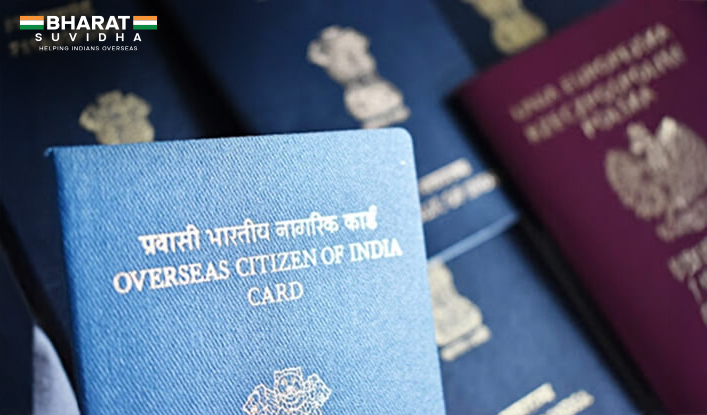
What Is an OCI Card and Why Does It Matter in 2026
An Overseas Citizen of India (OCI) card allows individuals of Indian origin who are residing out of the country to travel, work and live in India without a visa. In 2026, the regulations have been modified, and the verifications of the documents are tougher. Now, more than ever, it is vital that individuals in Australia make the right choice: re-issue or revise.
OCI Reissue: When Is It Mandatory?
The OCI Reissue process applies when significant personal or document changes occur. In 2026, you must apply for re-issue if:
- You received your OCI before turning 20 and have since crossed 20
- You’ve renewed your passport after turning 20 or 50
- There is a change in name, nationality, or personal particulars
- Your OCI card is damaged or lost
Choosing OCI Reissue in these cases is compulsory. Applying under the wrong category often results in rejection or long delays.
OCI Update: When a Simple Update Is Enough
An OCI update is required when minor details need refreshing, but your original OCI card remains valid. This usually includes:
- Updating passport details after renewal (between ages 20–50)
- Uploading a new photograph or signature
- Updating address or contact details
Many applicants mistakenly choose re-issue when an update is sufficient, which leads to unnecessary paperwork and waiting time.
OCI Reissue vs OCI Update: Key Differences at a Glance
Criteria | OCI Reissue | OCI Update |
Major personal changes | Yes | No |
New OCI card issued | Yes | No |
Processing time | Longer | Shorter |
Cost | Higher | Lower |
Understanding this difference helps prevent common OCI application mistakes, one of the main reasons applications are delayed in Australia.
Common Reasons for OCI Rejections in Australia
Even when applicants choose the correct category, errors during submission can still cause issues. In 2026, Indian authorities are closely checking uploads and forms. Frequent problems include:
- OCI signature rejected in Australia due to incorrect size or digital format
- Failing to meet OCI photo rejection requirements, such as poor lighting or a wrong background
- Name mismatch in OCI application, especially after marriage or passport renewal
These errors are avoidable with proper checks before submission.
Helpful OCI Checklist for Australia Applicants
Before applying, ensure you have:
- Valid foreign passport
- Existing OCI card copy
- Recent compliant photo and signature
- Proof of address in Australia
- Supporting documents for any name or status change
Following a clear OCI checklist for Australia applicants can save weeks of unnecessary follow-ups.
Simple 3-Step Process to Get It Done Right
Step 1: Start and Share Your Details

Step 2: Application Prepared by Experts

Step 3: Submission and Tracking Support

Important Note:
Bharat Suvidha operates as an independent, private service provider and is not connected with the Indian Ministry of External Affairs, Indian Consulates, the High Commission of India, or any government-authorised service centres